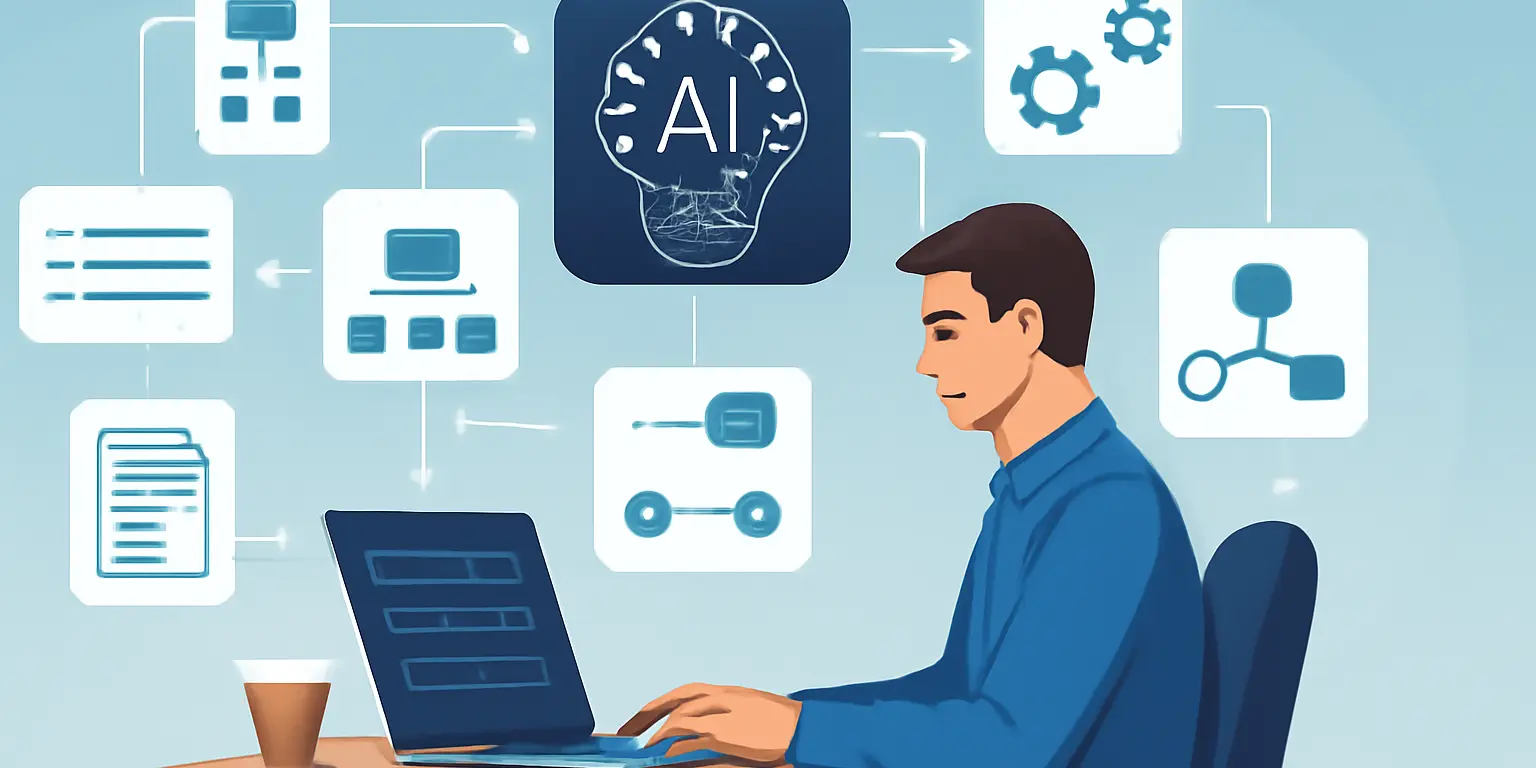
How AI Can Transform Your Workflow Management
Introduction
In today’s fast-paced business environment, effective workflow management is essential for productivity and efficiency. Leveraging artificial intelligence (AI) can significantly enhance these processes, streamlining tasks and reducing the burden on employees. This article explores various ways AI can transform your workflow management, offering practical insights and strategies for implementation.
The Role of AI in Workflow Management
AI technologies can automate repetitive tasks, analyze data for better decision-making, and facilitate communication within teams. By integrating AI into your workflow, businesses can expect to improve their operational efficiency and employee satisfaction.
Key Benefits of Using AI in Workflow Management
- Increased Efficiency: AI automates mundane tasks, allowing employees to focus on higher-value activities.
- Improved Accuracy: AI systems minimize human error in data entry and processing.
- Enhanced Decision-Making: AI algorithms analyze data trends, helping managers make informed choices.
- Scalability: AI solutions can easily adapt as your business grows, ensuring workflows remain efficient.
- Cost Savings: Automating tasks reduces labor costs and improves resource allocation.
Practical Applications of AI in Workflow Management
Implementing AI in your workflow management can take various forms. Here are some practical applications:
1. Task Automation
AI tools can automate repetitive tasks such as data entry, scheduling, and report generation. For instance, platforms like Lunavior AI provide prompt collections that help teams generate reports with minimal effort.
2. Intelligent Document Processing
AI can help in processing documents automatically, extracting key information without manual input. This is particularly valuable in industries that deal with large volumes of paperwork, such as finance and legal.
3. Predictive Analytics
Using AI for predictive analytics enables businesses to forecast trends and demands effectively. By analyzing historical data, AI can identify patterns that help in resource allocation and strategic planning.
4. Enhanced Collaboration Tools
AI-driven collaboration tools can facilitate communication among team members, ensuring everyone is on the same page. Features like smart scheduling and instant translation can bridge gaps in remote teams.
Common Mistakes to Avoid When Implementing AI
While the benefits of AI in workflow management are clear, there are common pitfalls to avoid:
- Neglecting Employee Training: Failing to train employees can lead to resistance against new technologies.
- Overlooking Data Quality: AI relies on high-quality data to function effectively. Ensure data cleanliness before implementation.
- Setting Unrealistic Expectations: Understand that AI is a tool to assist, not a magical solution to all problems.
- Ignoring Integration Challenges: Be mindful of how AI tools will integrate with existing systems.
Best Practices for Leveraging AI in Your Workflow
To maximize the benefits of AI in workflow management, consider the following best practices:
- Start Small: Implement AI solutions in manageable phases to gauge effectiveness and make adjustments.
- Focus on User Experience: Choose tools that are user-friendly to encourage adoption among team members.
- Continuously Monitor Performance: Regularly assess AI performance and make improvements as needed.
- Solicit Employee Feedback: Encourage team input on AI tools to enhance functionality and address concerns.
Conclusion
Integrating AI into your workflow management can be a game-changer for your business. By automating tasks, enhancing collaboration, and providing insightful analytics, AI not only improves efficiency but also fosters a more engaged workforce. To succeed, focus on employee training, data quality, and realistic expectations. Start with small implementations, and continuously monitor your progress to ensure you’re reaping the benefits of this transformative technology.