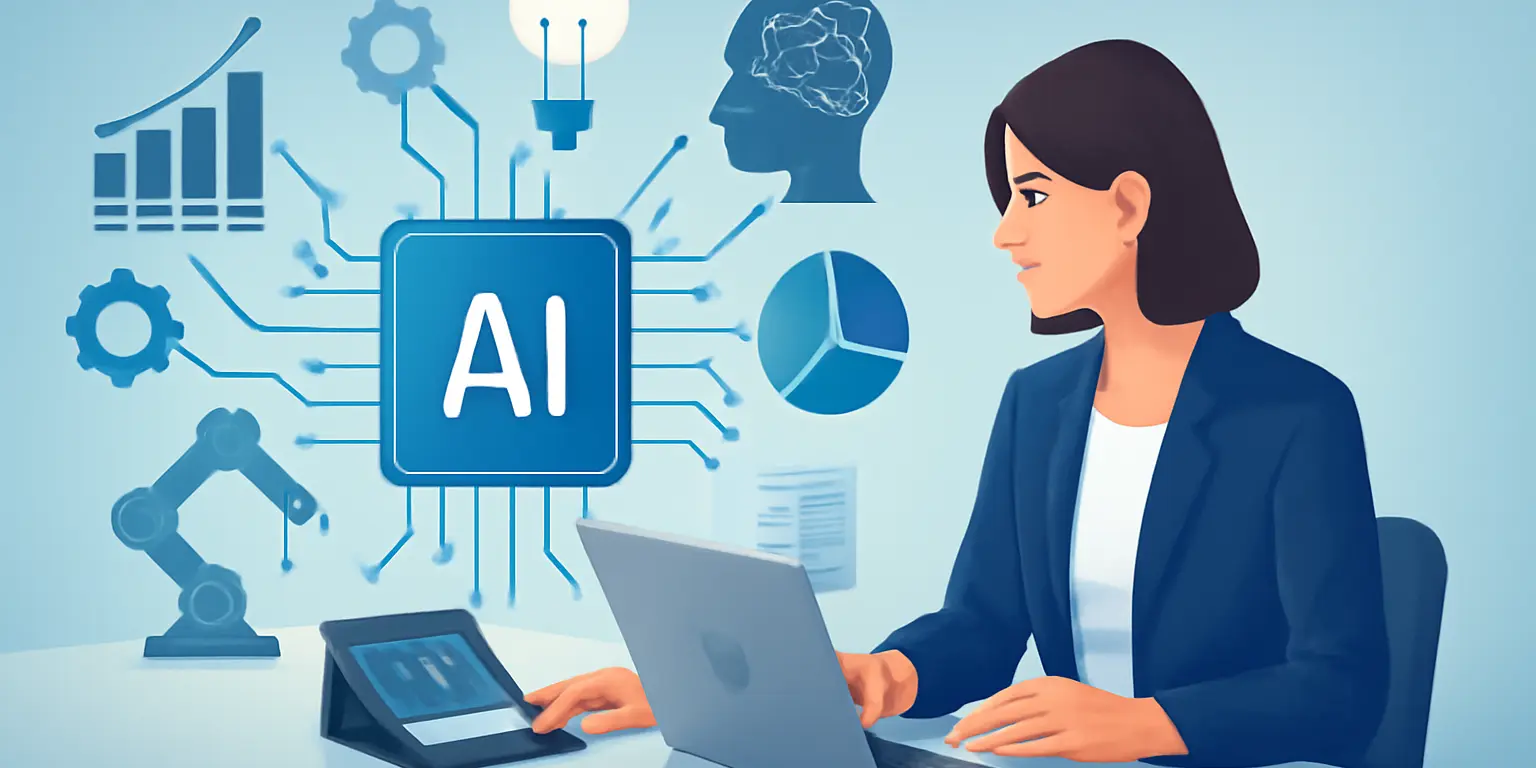
Innovative Uses of AI in Modern Business Operations
Introduction
In recent years, artificial intelligence (AI) has transformed the landscape of modern business operations. Companies across various industries are leveraging AI technologies to enhance efficiency, improve decision-making, and create innovative business models. This article explores innovative uses of AI in business, providing practical insights and actionable advice for organizations looking to embrace this technology.
AI in Customer Service
One of the most significant applications of AI is in customer service. Chatbots and virtual assistants powered by AI can handle inquiries, provide support, and even resolve issues without human intervention. These systems are available 24/7, ensuring that customers receive timely assistance.
- Increased Efficiency: Automating responses to common queries allows human agents to focus on more complex issues.
- Personalization: AI can analyze customer data to provide tailored recommendations and solutions.
- Cost Reduction: Chatbots can significantly lower the costs associated with customer support operations.
Best Practices for AI in Customer Service
- Implement AI gradually, starting with common queries.
- Continuously train the AI models with new data.
- Monitor performance and gather feedback to enhance service quality.
Data Analysis and Insights
Businesses generate vast amounts of data every day. AI can analyze this data at an unprecedented scale, revealing insights that inform strategy and operations. Predictive analytics, for instance, helps in forecasting trends and consumer behavior.
- Sales Forecasting: AI models can predict sales trends based on historical data.
- Market Analysis: Identify customer preferences and market demand through data insights.
- Risk Management: AI can assess risks by identifying patterns that signify potential issues.
Common Mistakes in Data Analysis
- Neglecting data quality; ensure data is accurate and relevant.
- Overlooking the importance of continuous model training.
- Failing to integrate AI insights into decision-making processes.
Streamlining Operations with Automation
Automation powered by AI can streamline numerous business operations. Tasks such as inventory management, order processing, and scheduling can be handled more efficiently, allowing businesses to allocate resources better.
- Supply Chain Optimization: AI algorithms can forecast inventory needs and automate reordering.
- Scheduling: AI can optimize staff schedules based on demand forecasts.
- Quality Control: Automated systems can detect defects in products faster than human inspectors.
Tips for Successful Automation
- Start with processes that are repetitive and time-consuming.
- Involve staff in the transition process to ease resistance.
- Measure the impact of automation and adjust strategies accordingly.
AI-Driven Marketing Strategies
Marketing is another area where AI is making a substantial impact. AI can analyze consumer behavior and optimize marketing campaigns for better engagement and conversion rates.
- Targeted Advertising: AI can segment audiences and tailor ads based on user behavior.
- Content Recommendations: Personalize user experiences by recommending products and content.
- Email Marketing: Automate and personalize email campaigns to increase open rates.
Common Pitfalls in AI Marketing
- Ignoring ethical considerations in data collection.
- Failing to test and optimize campaigns regularly.
- Not aligning AI strategies with overall marketing goals.
Conclusion
Artificial intelligence is reshaping how modern businesses operate. By adopting innovative AI solutions in customer service, data analysis, automation, and marketing, companies can significantly enhance their efficiency and effectiveness. The key to successful implementation lies in understanding the technology, continuously training AI systems, and integrating insights into everyday operations. As AI continues to evolve, embracing its potential will be crucial for businesses aiming to stay competitive in an increasingly digital world.